
How to Construct a Brand People Actually Remember
1. Introduction: In a Noisy World, Only Memorable Brands Succeed
We are living in the era of infinite scroll and snap decision making. Daily, your potential clients receive thousands of promotional messages from social media promotion and influencer sponsorships to email campaigns and billboards. And in this noise, reach is inexpensive. You can pay to be noticed, but you cannot pay to be recalled.
Brand recall is the ultimate competitive advantage. It's what occurs when a customer, confronted with a need, remembers you first—and and only you. It's the difference between being a passing consideration and a top-of-mind solution. When a brand is top-of-mind, it shortens the sales cycle, demands premium pricing, and commands unshakeable customer loyalty. This is not merely about marketing; it's about creating a cognitive monopoly in your customer's head. In a cacophonous world, it's not the loudest brand that wins, but the one that leaves a lasting echo.
2. Making Sense of Brand Recall vs. Brand Recognition
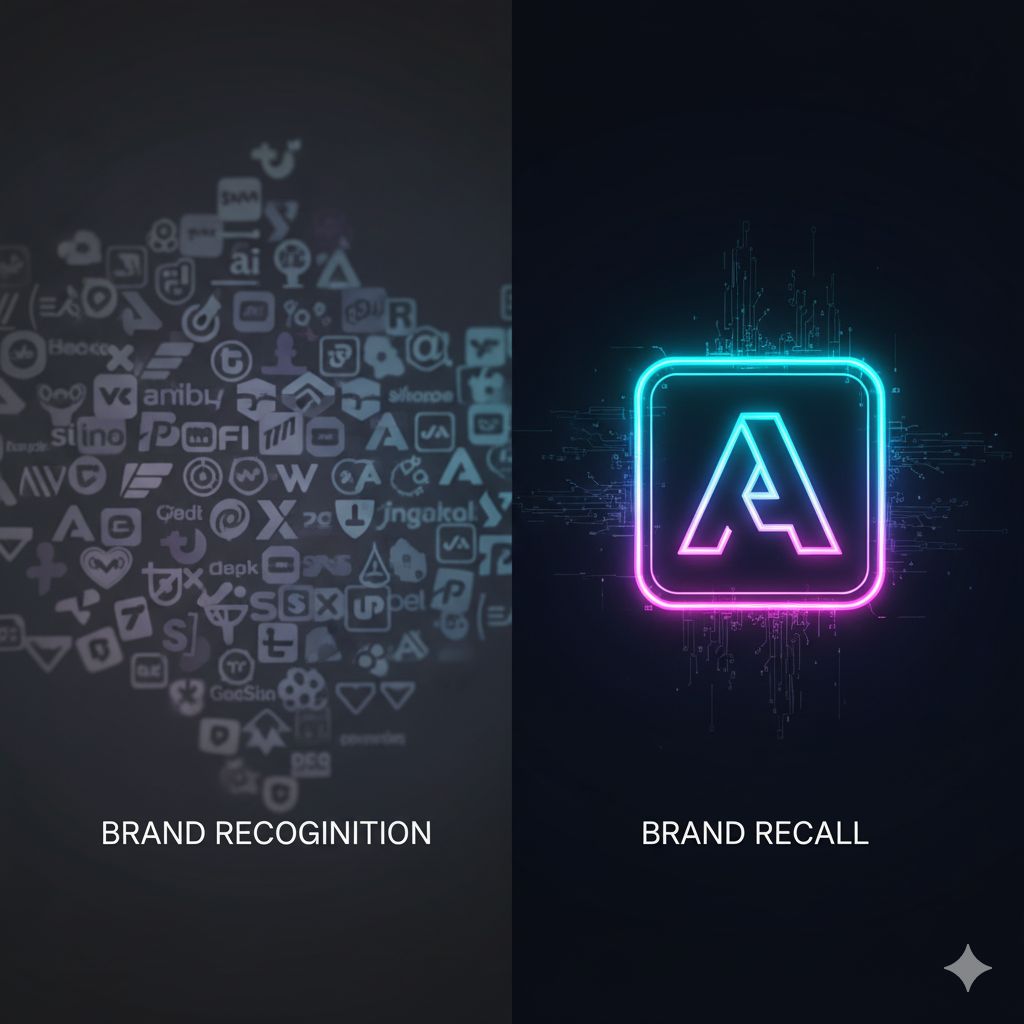
These two terms are often conflated with each other, but the difference is essential and goes to the very core of creating a memorable brand.
Brand Recognition is passive. It's how a consumer can recognize your brand when they see it. They glance at your logo, your colors, or your product and say to themselves, "I know this one." This is a matter of visual cues. You may recognize a can of Coca-Cola on a shelf due to its iconic red and white logo. Recognition matters—it's the initial step—but it's a superficial type of awareness.
Brand Recall is in action. It's when a consumer can bring your brand to mind without seeing it. When you hear "streaming service" and your first thought is "Netflix," that's brand recall. When you get a headache and you go out and buy "Disprin" without considering alternatives, that's brand recall.
Recognition is that you are noticed. Recall is that you're remembered. The aspiration is to get your audience from "I know you" to "I trust you and I think of you when it counts."

3. Why Emotional Connection Trumps Flashy Campaigns
Logic gets folks to think, but emotion gets them to do—and, more to the point for our needs, to remember. Neuroscience verifies that emotionally loaded events are more memorable than neutral ones. Our brains are wired to prefer emotional experiences because they tend to be associated with survival.
A high-cost, fancy-schmancy campaign may get eyes, but an emotional connection gets the heart and sears itself into memory.
Psychology: Emotions such as joy, trust, surprise, and even frustration shared have a deeper, more associative neural path. A brand that gets you laughing, inspires you, or makes you feel understood creates an incredibly strong memory anchor.
Marketing Depth: Think Nike's "Just Do It" campaign. It's not talking about the features of their shoes; it's talking about the feeling of accomplishment, determination, and empowerment. They sell a feeling, not a product. In the same way, the marketing for Zomato frequently leverages the universal feelings of hunger, craving, and social bonding. Your audience might not remember the exact ad, but they will never forget how you made them feel. That feeling is what they remember when they have a problem you solve.
4. The Power of a Clear and Consistent Brand Message
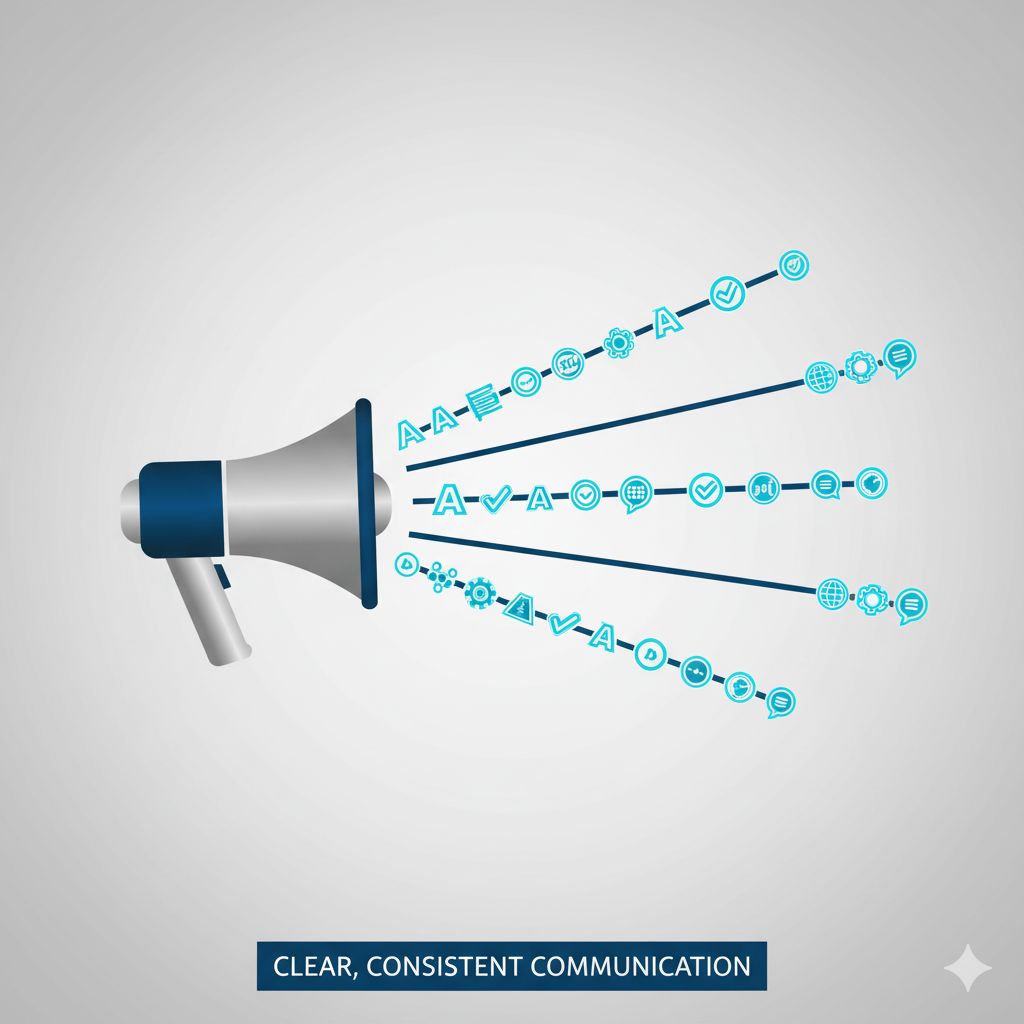
If emotion is the gas that powers memory, then a consistent and clear message is the car that transports it. A confused customer is created by a confused brand, and confusion is recall's nemesis.
A simple message is easy to get, one, and obvious. What's your brand's single essential promise? What's the one benefit you want to be famous for? Is it "unbeatable durability" (such as Patagonia) or "simple, user-friendly technology" (such as Apple)?
Consistency is what drill that message in. It's about saying your essential promise across every single touchpoint—your website, social media, packaging, customer service, and advertising—again and again for months and years. This repetition isn't creative bankruptcy; it's cognitive reinforcement. Your audience can hear the same fundamental message over and over, from various perspectives and with differing wording, and it builds trust and makes memory structure around your brand more solid. A brand that switches voice, values, and visual identity every six months has to begin building recall from the beginning each time.
5. Crafting a Brand Identity That Stands Out
Your brand identity is the physical, sensory representation of your message. It's the visual and verbal system that others employ to recognize and remember you. A strong identity is a shortcut code for your brand in the customer's mind.
Logo: It must be simple, scaleable, and relevant. Consider the Apple bite or Nike Swoosh—instantly recognizable even without the name.
Colors: Color can boost brand awareness by as much as 80%. Adopt a unique color palette and make it yours. Robin's egg blue belongs to Tiffany & Co., and Cadbury has its own unique purple.
Tone of Voice: Witty and sarcastic like Zomato? Or inspirational and empowering like Nike? Your tone should be the same in all you communicate, so that your brand comes across as having a unique personality.
Fonts & Imagery: Typographical consistency and a particular type of photography (e.g., light and airy vs. dark and moody) build a consistent and memorable visual realm.
Storytelling: Integrate these into a narrative. A story-bred brand is a soul-bred brand, and souls are far less forgettable than logos.

6. Founder Story & Purpose: The Human Side of Branding
In a time that yearns for authenticity, the greatest differentiator is humanness. Individuals bond with individuals, not with soulless institutions. Your company purpose and founder story step in as solid aids to memory recall at this point.
Your "why" – the mission that motivated you to begin your company – is a strong emotional hook. Was it to fix a personal annoyance? To set things right? To put a smile on a particular group of people? This mission-based messaging provides your brand with a heartbeat.
The founder's story brings this purpose to life. Telling the actual, human story—the battles, the setbacks, the midnight anxieties, and the ultimate victories—evolves your brand from a purveyor of goods to a believable character in your customer's story. If you learn the history of how Falguni Nayar quit her investment banking career to start Nykaa, or of how Aman Gupta sold boat speakers out of his car trunk, the brands themselves become richer and stickier. The founder is the personal flagbearer of the values of the brand, so that the intangible idea of a "company" becomes personal and memorable.
7. Repetition Without Dullness
The "Rule of Seven" of marketing indicates that a prospect has to hear a message no fewer than seven times before they act upon it. The secret of repeat success lies in variation on a theme, not blind duplication.
You have to reiterate your essential message, but you can—and should—present it in new, compelling forms.
Strategic Approach: The "what" is your essential message. The "how" is the creative execution. You might declare "We offer the quickest delivery" (the what) through an emotional ad about a birthday present, an amusing meme on impatience, a numbers-based infographic, or a customer review. The message in the background remains the same, but changing presentations keeps it fresh.
Content Marketing: Rather than "buy our product," develop content that represents your brand's value. A financial advisor brand with a focus on "security" can develop content on retirement planning, market volatility, and peace of mind, all pointing to the core message without overt sales speak.
Multi-Platform Storytelling: Deconstruct one campaign idea into multiple platforms. A main brand story can be an extended video on YouTube, a sequence of bite-sized quotes on Instagram, a lengthy thread on Twitter, and a business article on LinkedIn. Each platform's audience receives a customized chunk of the same fundamental story, reiterating the message without getting bored.
8. Designing Memorable Experiences, Not Just Marketing Campaigns
A campaign is something you observe. An experience is something you sense and are a part of. In the ad-cluttered world, experiences rise above the clutter because they're active, not passive. They produce strong, episodic memories tied into your brand inherently.
Marketing communicates a message, but an experience welcomes the customer into the narrative. Think in terms of the emotional experience, not the transactional.
The Unboxing Experience: For a D2C brand, the package is not merely a box; it's the initial physical touchpoint. An excellent unboxing experience—with handwritten notes, premium packaging materials, and an aura of surprise—can become so memorable that customers post it on social media, essentially becoming your brand champions.
Customer Service as a Brand Theater: When Zappos allows its customer service representatives to go out of their way to get something done, they're not simply repairing a malfunctioning thing; they're crafting a mythic narrative that the customer will tell for years. That narrative is the brand.
Immersive Events: A pop-up store that enables customers to engage with your product in a new way, or a webinar offering huge value, creates a communal memory. These experiences create a more profound, sensory connection than any ever-present banner ad. They remember the way you made them feel, and a good, memorable experience is the greatest brand builder.

9. Social Proof & Community: The Multipliers of Memory
Human beings are social animals programmed to believe in the herd. Social proof is the psychological process by which individuals take on the actions of others in the hope of imitating proper behavior. For businesses, this is a potent instrument to transition from being an individual voice to being part of a chorus.
User-Generated Content (UGC): If you notice scores of people sporting a specific brand of sneakers, water bottle, or cosmetics on your social feed, it makes the brand acceptable and ingrains it in culture. It's not just the brand proclaiming itself to be awesome anymore; it's a group of people you identify with attesting to that fact. This induces a "bandwagon effect" that makes the brand become entrenched and memorable.
Creating a Community: A community makes customers members. Companies such as Harley-Davidson or CrossFit are not merely selling products; they are selling an identity and a tribe. When individuals discover belonging, counsel, and common values in a brand, their allegiance becomes ferocious. They do not purchase the product; they become champions for it. This community is a self-sustaining memory machine, constantly reminding the brand's values and presence through organic interaction.
Strategic Significance: Community and social proof provide third-party affirmation that is much more compelling than even the best corporate communication. They establish your brand as larger, more trusted, and culturally resonant, all of which are essential for long-term memory recall.
10. Hacking Brand Recall with Psychology
Knowing the underlying neurobiology of the human brain enables you to engineer your branding for maximum memorability. Following are a few potent psychological levers:
Priming: This refers to employing a stimulus to condition how an individual will react to a follow-up stimulus. A financial services brand, for instance, can prime its audience with information regarding security, stability, and legacy well before it even mentions a particular investment product. At the point at which the customer is prepared to invest, that previously set context of "security" makes the brand the natural choice.
Sensory Triggers: The more senses you're using, the more powerful the memory. The definitive "click" of a MacBook lid shutting, the unmistakable scent of a new automobile (or a Lush shop), the specific taste of a Coca-Cola—these sensory marks create potent, instant memory. Where feasible, consider what your brand looks like, smells like, or sounds like.
Storytelling Templates: Our brains are wired to understand stories, not lists. Applying time-tested story formats such as the "Hero's Journey" (where the customer is the hero and your brand is the guide) makes your message more accessible and memorable. A narrative of a customer beating a challenge with your assistance is much more powerful than a listing of your product's features.
11. Omnichannel Consistency: One Voice Across Every Touchpoint
A corporate-sounding brand on the website, tweet- funny on Twitter, and too salesy on Instagram is a multiple personality disorder brand. This inconsistency makes for cognitive dissonance, destroys trust, and befuddles memory.
Omnichannel consistency is providing a consistent brand message, tone, and look at every single touch point a customer has with you:
Website to Storefront: The look and language should feel the same brand.
Social Media to Customer Service: Your personality must be identifiable.
Packaging to Email Newsletter: The visual and written signals must be congruent.
When your brand is consistent, it becomes predictable in the best sense. This predictability inspires trust. The customer creates one unified memory file for your brand, not broken and conflicting impressions. No matter how they interact with you on LinkedIn, a store, or their inbox, the interaction reinforces the same essential identity, quicker to remember and simpler to trust.
12. Case Studies: How Iconic Brands Made Themselves Unforgettable
Apple: The Master of Simplicity & Desire. Apple doesn't sell specs; it sells an ethos. Its core message of "Think Different," simplicity, and human-centric design is relentlessly consistent across every product, ad, and Apple Store. They have created a seamless omnichannel experience and a product ecosystem so intuitive it feels like magic. The result is a brand that commands fanatical loyalty and top-of-mind recall in every category it enters.
Zomato: The Sarcastic Neighbor You Can't Avoid. Amidst the food-delivery domination market, Zomato made its mark with a ferociously consistent and endearing voice. They expertly dance on the common feelings of hunger, irritability, and elation. Their social media team doesn't merely share offers; they share cultural observations that are already on their audience's minds. This builds a profound emotional bond and turns the brand into a daily discussion topic.
Nike: The Beacon of Empowerment. Nike's "Just Do It" campaign is not just a slogan; it's a call to action. They never show tales of athletessuccess; they show tales of athletes overcoming their limitations. They sell potential, not shoes. By positioning itself against the feeling of achievement and the identity as an "athlete," Nike has become ingrained into the everydayness of sport culture globally.
13. Common Blunders That Make Brands Unforgettable
Steer clear of these mistakes that wipe out brand memory:
Inconsistent Messaging: Revising your logo, tagline, or core message too frequently. This makes your audience re-learn what you are.
Weak Positioning: Attempting to be something to everyone. A brand that is nothing in particular is not possible to remember for anything particular.
Lack of Emotional Hook: Talking solely about features and price. This turns you into a commodity, and commodities are not memorable, only interchangeable.
Ignoring the Customer Experience: Having a great ad campaign but a faulty customer service process. One poor experience overwrites one hundred good ads.
Being a Follower, Not a Leader: Copying other competitors' branding or riding every trend. This makes you a blur in the market, not a clear leader.
14. Action Plan: Steps to Build a Brand That Sticks in People’s Minds
Here is a practical, step-by-step framework:
Discover Your Core: Define your one central message. What is your purpose? What is your unique value proposition? Get brutally specific.
Codify Your Identity: Document your brand guidelines. This includes your logo usage, color palette, typography, and—crucially—your tone of voice guidelines with examples.
Map the Customer Journey: List every single touchpoint where customers engage with your brand, from social media to post-purchase support.
Engineer Key Experiences: Select 2-3 key touchpoints (e.g., unboxing, onboarding, support) and build an amazing, memorable experience for each.
Create a Content Pillar Strategy: Establish 3-5 core pillars that always represent your brand message. All your content should emanate from these pillars.
Execute with Ruthless Consistency: Apply your brand guidelines to make sure every form of communication, on every platform, is on brand.
Activate Social Proof: Develop mechanisms for incentivizing and surfacing reviews, testimonials, and user-generated content.
Measure & Iterate: Survey for brand recall and sentiment. Ask customers: "What three words come to mind when you think of us?" Their responses will let you know if you're being remembered for the right reasons.
15. Conclusion: In Branding, Memory = Market Power
Creating a brand isn't about being the loudest voice in the room. It's about being the single voice that resonates in the silence when the customer is deciding. It's an investment in the long-term in clarity, consistency, and emotional connection.
A memorable brand has unprecedented advantages: reduced customer acquisition expense, increased lifetime value, and the ability to charge a premium. It turns your company into a respected part of your customers' lives. Ultimately, the war for market share is won, not in the boardroom, but in customers' minds. Begin building your brand with memory as the measure, and you will create a legacy.

 Indian Online Marketing Team
Aug 10, 2025
 Indian Online Marketing Team
Aug 24, 2023
 Indian Online Marketing Team
Aug 24, 2023
 Indian Online Marketing Team
Aug 24, 2023
 Indian Online Marketing Team
Aug 24, 2023