
The End of Third-Party Cookies: How It's Revolutionizing Ad Targeting Forever
1. Introduction: Why Third-Party Cookies Are Being Phased Out
The world of digital advertising is about to experience a seismic change as third-party cookies—the small tracking files that have served to fuel ad targeting for many years—are being phased out. Brought on by increasing privacy worries, more stringent laws such as GDPR and CCPA, and consumer calls for transparency, technology titans such as Google, Apple, and Mozilla are spearheading the cookieless revolution.
Google Chrome, which controls more than 60% of the worldwide browser market, is looking to completely phase out third-party cookies by 2025, following Safari and Firefox, which have already blocked them out of the box. The shift impacts the $600+ billion digital ad ecosystem, compelling marketers to rethink their strategy around tracking, targeting, and measuring campaigns.
The passing of third-party cookies is not a technical shift—rather, it's a radical rethink of the way brands engage with consumers. The early adopters will survive, while those that hold onto old-school tracking technologies will see their competitive advantage slip away.
2. What Are Third-Party Cookies, and How Do They Power Ad Targeting?
Understanding Third-Party Cookies
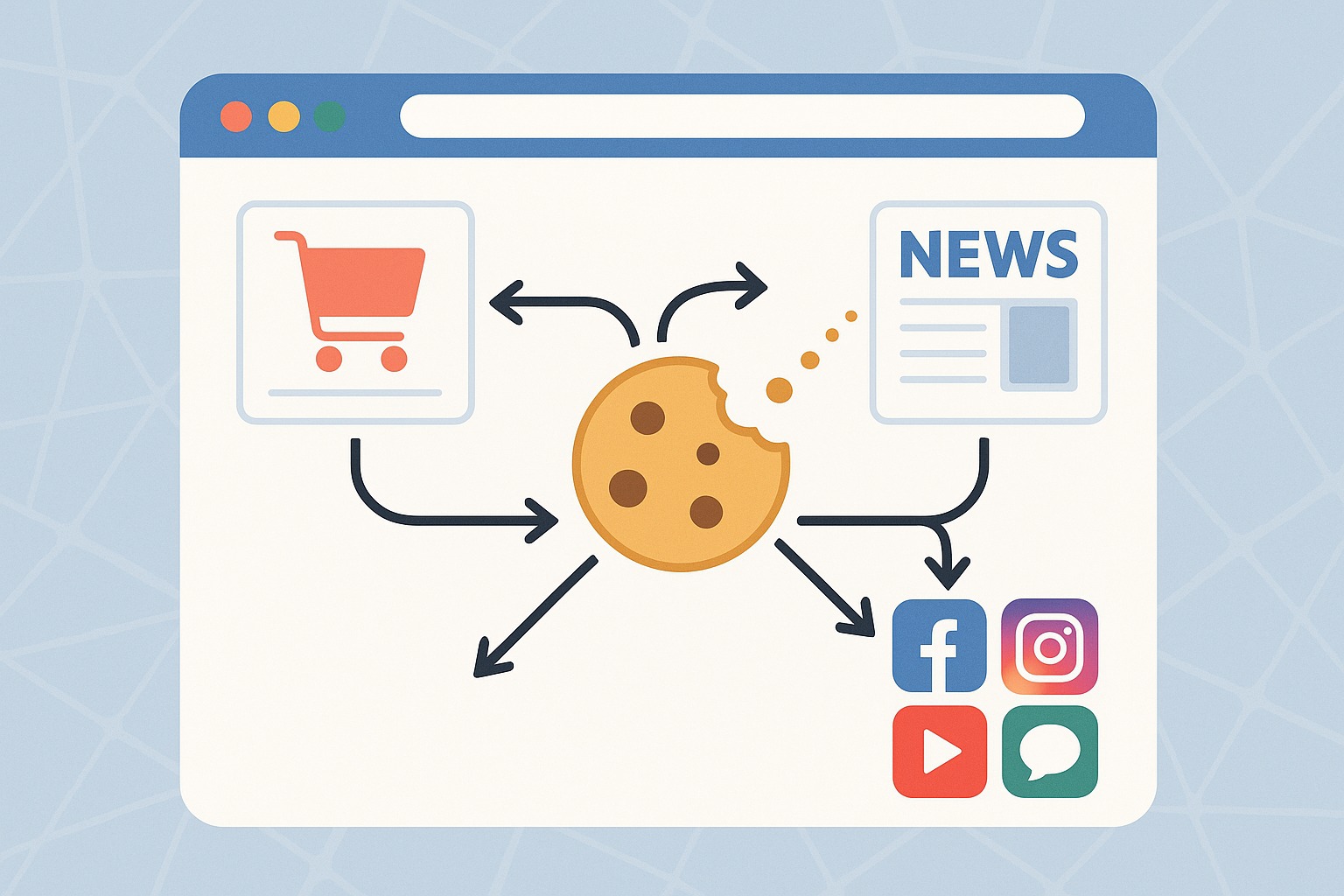
Third-party cookies are tiny bits of code dropped onto a user's browser by sites other than the one they're on. While first-party cookies (remembering login credentials or cart contents) keep track of specific data, third-party cookies follow users from site to site to create extensive behavioral profiles.
How They Spurred Digital Advertising
Third-party cookies for years allowed:
This approach enabled advertisers to show hyper-personalized ads at scale—but at the expense of user privacy. With mounting pressure, the age of free-tracking is over.
3. The Timeline: Which Browsers Have Already Moved On?
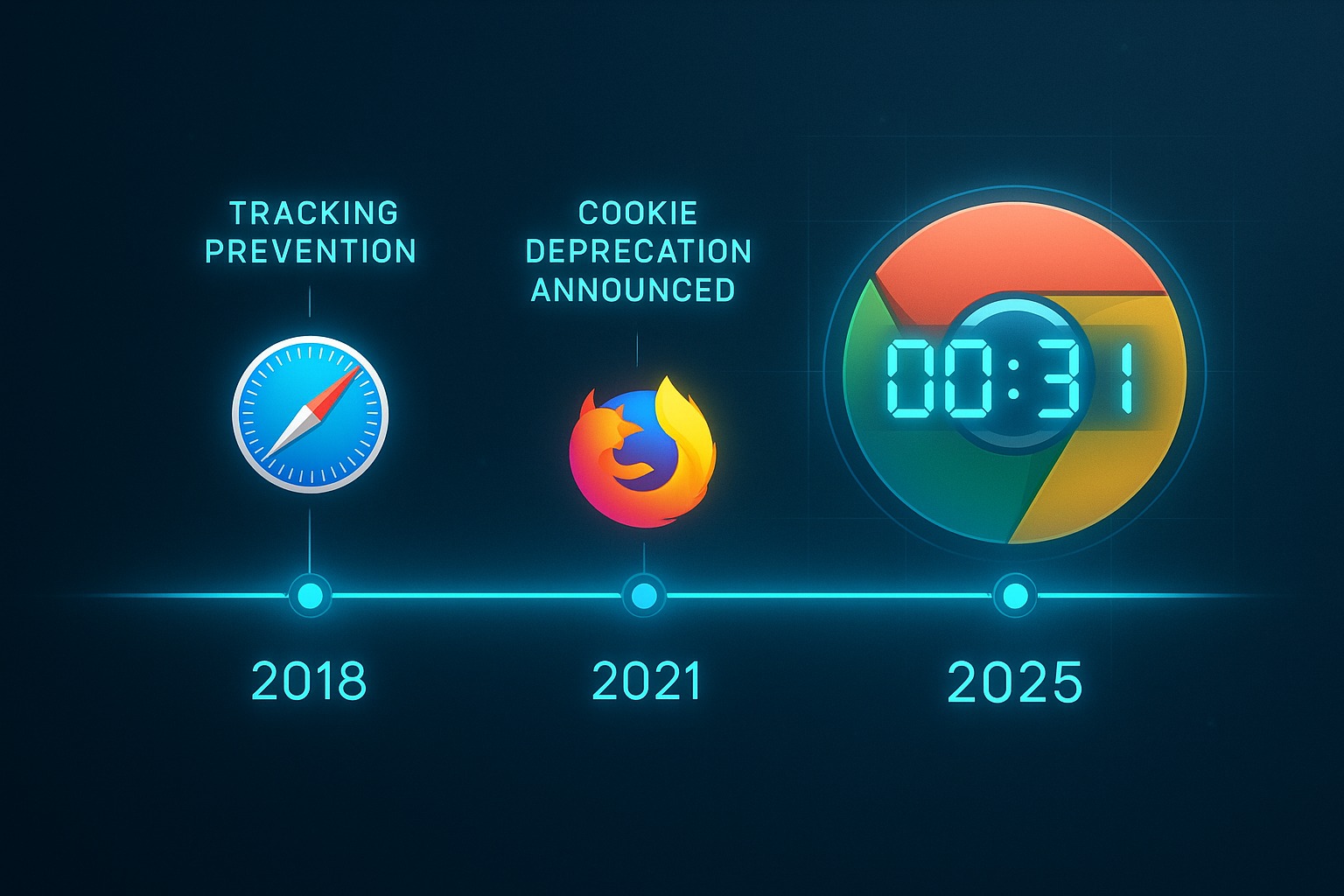
The deprecation of third-party cookies is not occurring all at once—here's where large browsers are at:
Browser | Status on Third-Party Cookies | Key Dates
Safari (Apple) | Blocked by default since 2017 (ITP) | ITP updates in 2020-2023 further restricted tracking
Firefox (Mozilla) | Blocked by default since 2019 | Enhanced Tracking Protection (ETP) in full effect
Google Chrome | Gradual phase-out, testing Privacy Sandbox | Full deprecation expected by mid-2025
What This Means for Marketers
4. Winners and Losers: Who Takes the Hit the Worst in a Cookieless World?
Losers:
Winners:
5. First-Party Data Is King: Why Brands Must Own Their Audiences
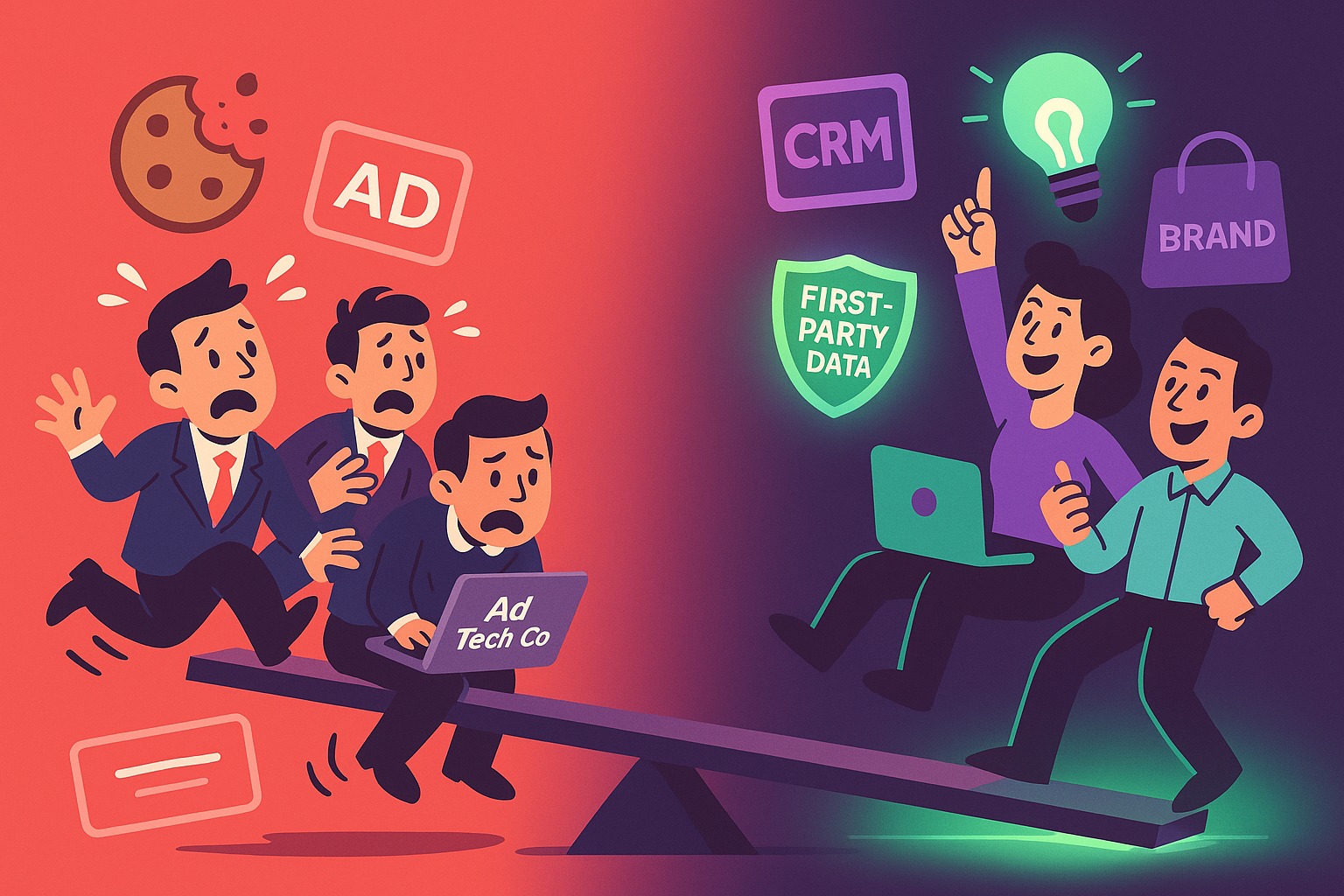
With third-party cookies eliminated, first-party data (data gathered directly from users) is the new gold.
How to Develop a First-Party Data Strategy:
Example: Nike’s Membership Ecosystem
Nike leverages its SNKRS app and Nike Membership to collect first-party data, allowing hyper-personalized marketing without third-party tracking.
The Bottom Line:
Companies with first-party-owned audience data will beat those who remain reliant on third-party trackers.
6. What Does Take the Place of Third-Party Cookies? A Review of the Alternatives
As third-party cookies vanish, advertisers have had to find new approaches to targeting. The following are the top alternatives:
A. Google's Privacy Sandbox
Google's answer to replace cookies is:
Advantages:
Disadvantages:
B. Contextual Advertising
Rather than tracking individuals, ads are added on the basis of content on a webpage (e.g., a sports shoe advertisement on a fitness blog).
Why It's Catching On:
Drawbacks:
C. Unified ID 2.0 (UID2) & Other Identity Solutions
UID2, created by The Trade Desk, employs hashed email addresses to build a privacy-friendly identifier.
How It Works:
Who Supports It?
Challenges:
D. First-Party Data & Clean Rooms
Firms such as Disney, Walmart, and Amazon utilize "clean rooms" (safe data-sharing rooms) to compare anonymized customer information without revealing personal information.
Example:
Best For:
7. How Ad Targeting Will Change Across Platforms (Google, Meta, Amazon)
Google Ads in a Cookieless World
Meta (Facebook & Instagram) Advertising
Amazon Ads
Emerging Players: TikTok & Retail Media Networks
Key Takeaway:
Walled gardens (Google, Meta, Amazon) will prevail, while open-web advertisers must adapt to Privacy Sandbox and contextual ads.
8. Is Attribution Dead? The New Age of Measurement and Tracking
Traditional attribution models (such as last-click) are collapsing in a world without third-party cookies. Here's what's taking their place:
A. Probabilistic Modeling (AI-Powered Attribution)
B. Privacy-Safe Tracking Methods
C. Incrementality Testing
What Marketers Should Do:
9. Preparing Your Ad Strategy: Tactical Steps for 2025 and Beyond
Step 1: Audit Your Data Dependencies
Step 2: Create a First-Party Data Engine
Step 3: Test Alternative Targeting Methods
Step 4: Optimize for Walled Gardens
Step 5: Future-Proof Your Measurement
10. Expert Insights: What Top Marketers Are Saying
Industry Leaders' Quotes:
LinkedIn Insights:
11. Conclusion: Why Adaptability, Not Panic, Will Define the Next Era of Digital Ads
The apocalypse is not coming—it's an evolution. The victors will be those who:
Final Thought:
Great marketers don't shy from change—they drive it. Begin getting ready today, and your brand will prosper in the cookieless world.

 Indian Online Marketing Team
Aug 10, 2025
 Indian Online Marketing Team
Aug 24, 2023
 Indian Online Marketing Team
Aug 24, 2023
 Indian Online Marketing Team
Aug 24, 2023
 Indian Online Marketing Team
Aug 24, 2023