
The Power of Emotional Marketing: Why People Buy Feelings, Not Products
The Power of Emotional Marketing: Why People Buy Feelings, Not Products
1. Introduction: What is Emotional Marketing and Why It Matters in 2025
Each time you buy something—whether it's a ₹30 coffee at your neighbourhood café or a ₹1,00,000 iPhone—less about the item and more about the way it makes you feel. That's the core of emotional marketing.
Emotional marketing are tactics that appeal to human emotions such as joy, trust, pride, fear, or even nostalgia in order to drive purchasing behaviours. In contrast to feature-, benefit-, or price-driven traditional marketing, emotional marketing centres on relationship-building—helping customers feel understood, observed, and motivated.
In 2025, this is more critical than ever. With AI-powered personalization, endless content, and ad fatigue at an all-time high, brands can no longer win by just shouting “We’re the best!” Consumers crave stories, emotions, and relatability. They want brands to feel like companions, not corporations.
Consider this: when consumers purchase Nike shoes, they're not purchasing sneakers. They're purchasing a sense of empowerment, accomplishment, and identity. When a person places an order on Zomato at midnight, they're not purchasing food—they're purchasing comfort, relief, and joy at that instant.
It is this emotional depth that makes brands irreplaceable.
2. The Science Behind Emotions and Consumer Decisions
Emotions are so strong in marketing because the reason behind it is in the brain of human beings.
Neuroscientists tell us that 95% of buying decisions are unconscious. Our rational mind likes to think we make rational decisions, but the truth is, the emotional brain makes most of them—logic only rationalizes them after the fact.
Such as:
• You purchase a pricey fragrance not due to what it contains, but due to the way it makes you feel—confident, sexy, powerful.
• You decide on Apple as opposed to another brand because of specifications only, but because you feel part of an elite when you own an Apple product.
Actually, research indicates that emotive ads work nearly twice as effectively as information-only ads. Emotional appeal boosts brand recall, purchase intention, and loyalty.
This is why fear of missing out (FOMO) fuels flash sales, why nostalgia has consumers addicted to retro brands, and why happiness makes ads go viral.
When marketing professionals realize that the brain reacts more to emotions than facts, they can create ads that actually change behavior.

3. Why People Buy Feelings, Not Just Products
Let's be realistic here—most goods these days are commodities. There are 100s of shoe companies, 100s of phone companies, 100s of food apps. What makes one different? Not the item, but the emotions it creates.
• Individuals don't purchase luxury timepieces because they keep time better. They do it because of the status, pride, and identity that comes with it.
• Parents don’t buy Kinder Joy chocolates just for the taste—they buy it because it brings joy to their kids and creates moments of happiness.
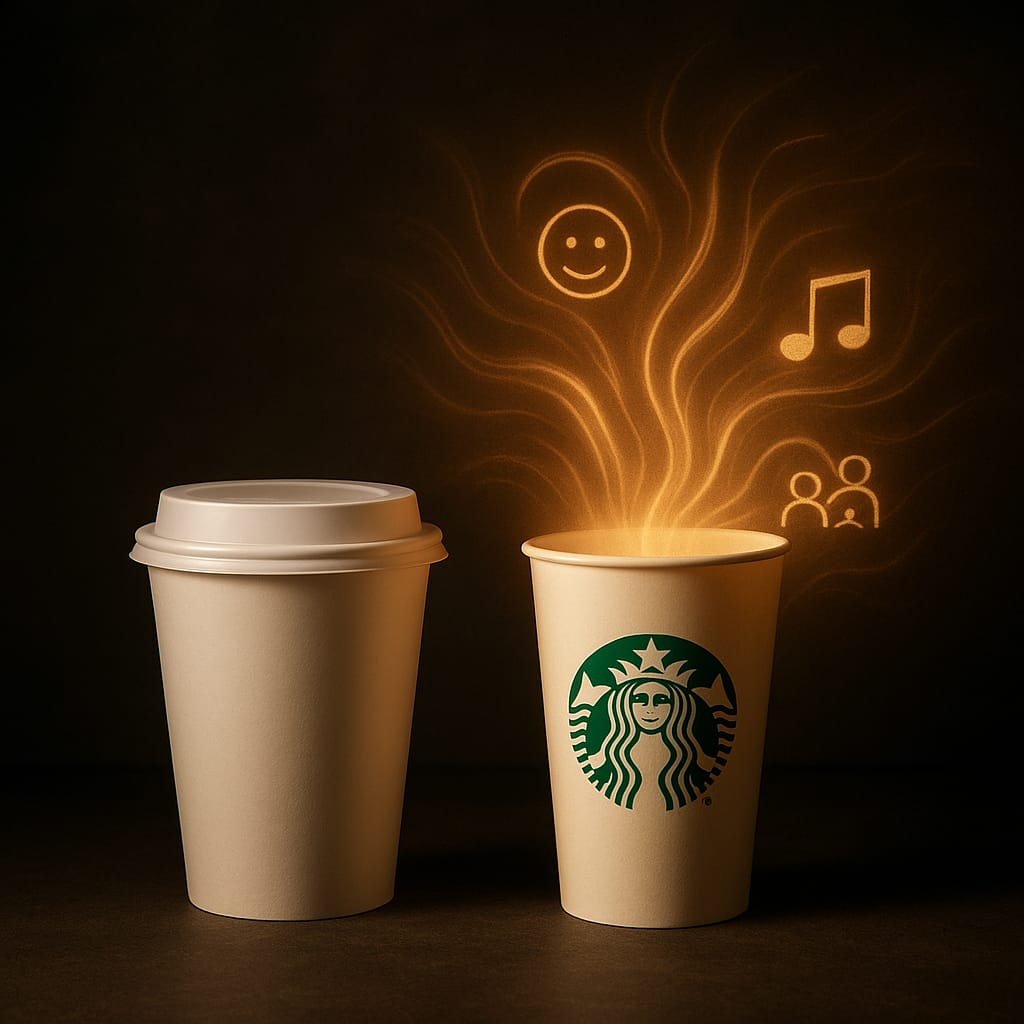
• Starbucks doesn’t sell coffee. It sells a “third place” experience between home and work, where people feel connected, inspired, and special.
This is the core principle of emotional marketing: You’re never just selling a product—you’re selling a transformation, a story, an identity.
And by 2025, with Gen Z and Millennials making up the majority of consumers, this becomes even more essential. These generations don't merely purchase products; they purchase values, experiences, and emotions that reflect their worldview.

4. Types of Emotions That Drive Consumer Behavior
Not all emotions are equal. Various emotions elicit different behaviors—and the most astute brands understand how to blend them.
Happiness and Joy
Happy content propagates quickest. Remember Coca-Cola's "Open Happiness" or Swiggy's fun ads that put a smile on your face. Happiness makes one share, like, and participate—spreading your brand message naturally.
Fear and Urgency
Fear is perhaps the strongest motivator. Limited-period offers, "Only 2 seats left!" notifications, or even insurance commercials that emphasis risks—these evoke FOMO and compel people to move quick.
Trust and Belonging
Shoppers purchase from brands that they believe in. Stories, open communication, and true storytelling make individuals feel part of something. For instance, Amul commercials aren't about butter—They're about being part of India's collective cultural narrative.
Pride and Aspiration
Luxury and lifestyle brands live on this feeling. It might be owning a Mercedes or sporting a Rolex—These are all about self-image, pride, and accomplishment.
Nostalgia and Memories
Nostalgia has a magic draw. Consider Cadbury bringing back its classic "Kuch Khaas Hai" commercial, or vintage fashion brands returning to the scene. Nostalgia transcends generations, bringing back memories of people's best times.
In short, emotions are not merely "feelings" in advertising—instead, they are strategic drivers of consumer choice.
5. Iconic Campaigns That Mattered Emotional Marketing
To illustrate the power of emotions, let's consider campaigns that became cultural sensations:
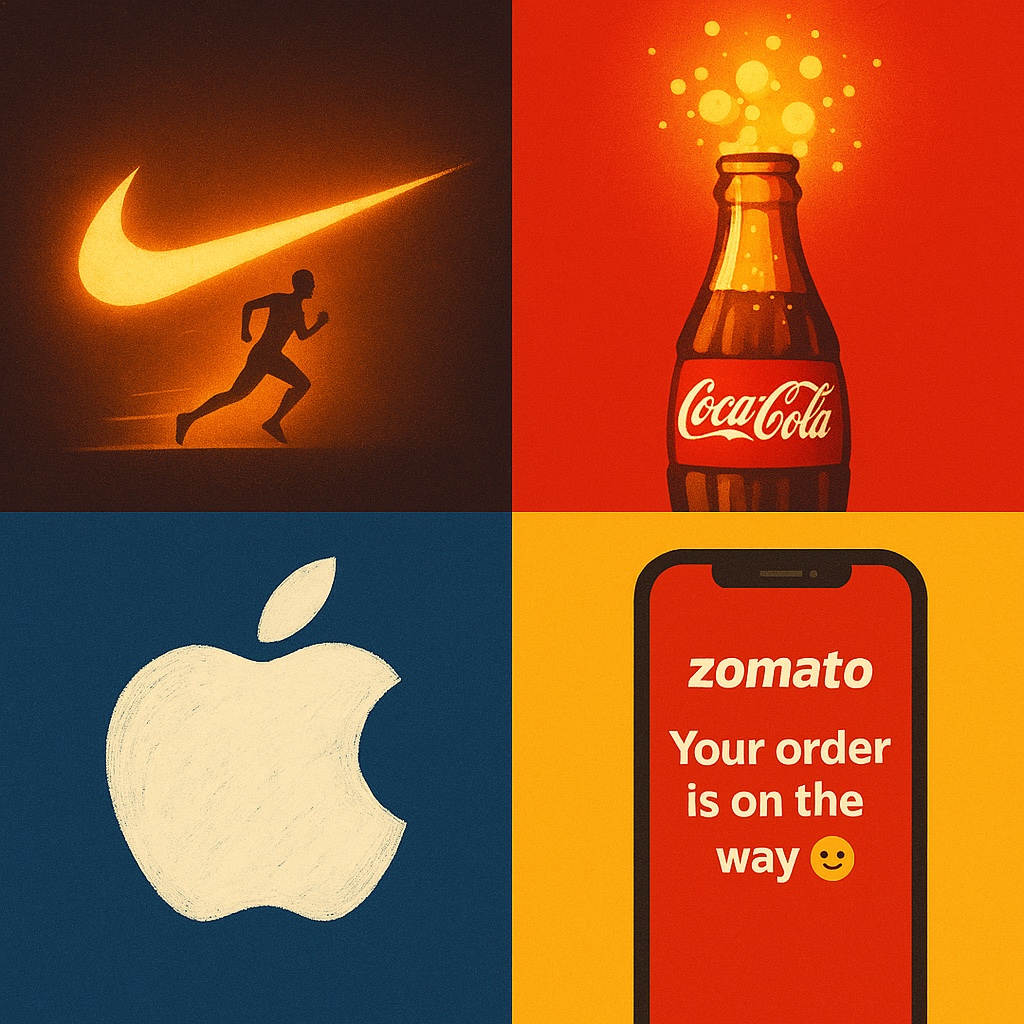
• Coca-Cola's "Open Happiness" – Not about the beverage, but about opening happy moments. Coca-Cola created itself as the worldwide symbol of happiness.
• Nike's "Just Do It" – The commercial did not mention durability or designs of shoes. It spoke of the feeling of empowerment—anywhere, anytime, anyone can extend their limits.
• Apple's Lifestyle Branding – Apple doesn't sell on features that often. Its commercials sell creativity, innovation, and status. Having an iPhone is like having a lifestyle.
• Zomato & Swiggy in India – Their witty, humorous, and extremely relatable push notifications have formed emotional bonds with consumers—sometimes funny, sometimes needy, but always compelling.
These campaigns demonstrate one thing: if brands connect with the heart, the wallet will follow.
6. How Emotional Marketing Builds Long-Term Brand Loyalty
Emotional marketing isn't about making one-time sales. It's about building passionate fans who follow you for years.
When individuals emotionally invest in a brand, they'll be more inclined to:
• Pay more without complaining.
• Tell their friends and family about the brand.
• Come to the brand's defense when it's criticized.
• Select the brand again and again, even when competitors are cheaper.
Consider Harley-Davidson. It doesn't merely sell motorcycles—it sells a brotherhood, an attitude, and an identity. That's why Harley riders ink the Harley logo onto themselves—it's not a buy, it's an affair of the heart.
Likewise, companies such as TATA in India command decades of trust because they continually evoke feelings of trustworthiness, honesty, and public service.
In 2025, where choices are endless and switching brands is just a click away, the only glue that keeps customers loyal is emotion.
7. The Role of Storytelling in Emotional Marketing
Humans are wired for stories, not statistics. For thousands of years, before there was data, ads, or even written language, people communicated values, lessons, and emotions through stories around campfires. That same wiring exists in consumers today.
A good story doesn't just tell — it engages people on an emotional level. When a brand tells a struggle, triumph, love, or hope story, it enables consumers to identify with that story.
Why storytelling succeeds in marketing:
• Mirror neurons in our brain are activated when we read or hear stories, so we feel that we are living them.
• Stories engage both the rational mind (facts, product details) and the emotional heart (feelings, imagination).
• People remember stories 22x more than facts (Harvard research).
Examples:
• Airbnb’s “Belong Anywhere” – Instead of listing features of its platform, Airbnb tells stories of hosts and travelers creating bonds worldwide.
• Cadbury’s India ads – Remember the iconic cricket-ground dancing girl? It wasn’t about chocolate; it was about joyful, relatable, unforgettable moments.
• Apple's "Shot on iPhone" campaign – Apple hardly ever speaks of megapixels. It just narrates a tale of creativity, emotion, and artistry made possible by its devices.
Storytelling is the link between product and feeling in emotional marketing. Without it, emotions are abstract. With it, brands design living, breathing experiences people want to be part of.

8. Emotional Branding vs. Rational Branding
Here's where most companies get it wrong: they concentrate exclusively on rational branding (features, price, specs) and not emotional branding (identity, meaning, values).
Rational Branding:
• Describes what the product can do.
• Example: "Our detergent kills 99.9% of germs."
• Good at short-term persuasion but not memorable in the long term.
Emotional Branding:
• Describes who you become when you use the product.
• Example: Surf Excel's "Daag Achhe Hain" campaign doesn't sell detergent—it sells the notion that dirty clothes = valuable childhood memories.
• Creates loyalty, identity, and community.
Customers might come into your funnel with logical motives (price, features), but they remain due to emotional motives (trust, belonging, pride).
Why this is important in 2025:
AI technology is simplifying rational branding for all—any brand can compare features, write product descriptions, or highlight data. Emotional branding is more difficult to copy, however, as it takes authenticity, cultural relevance, and human imagination.
Companies that get emotional branding right will surpass those based on reason alone.
9. The Psychology of Color, Design, and Sensory Triggers in Marketing
Feelings aren't just awakened by words—they're awakened by sensory elements such as color, sound, texture, and design.
Color Psychology:
• Red → Urgency, passion, excitement (Coca-Cola, YouTube).
• Blue → Trust, calm, professionalism (Facebook, LinkedIn, TATA).
• Green → Health, growth, eco-friendliness (Starbucks, Whole Foods).
• Black/Gold → Luxury, exclusivity (Rolex, Mercedes-Benz).
Colors generate instant subconscious connections, influencing consumer feelings before they even read a word.
Sound and Music:
• A jingle can get stuck in your head for decades (e.g., Britannia's "ting ting ti-ding").
• Mood music for commercials or shops effects mood—fast-paced music raises excitement, slow music induces relaxed purchasing.
• Netflix's "ta-dum" became an emotional cue for millions.
Design & Touch:
• Apple's clean design creates feelings of sophistication and refinement.
• Premium-feeling packaging (e.g., unboxing an iPhone) induces an emotional ritual.
These sensory stimuli are mute storytellers. Together, they make certain that without words, a brand speaks emotions first, reason afterwards.
10. How Emotional Marketing Varies Across Cultures
Emotions are universal, but emotional expression and valuation vary across cultures. Clever marketers tailor emotional appeals to local environments.
Western Markets (e.g., US, Europe):
• Individualism prevails → ads are about personal success, freedom, independence.
• Example: Nike campaigns emphasizing personal triumph and self-empowerment.
Asian Markets (i.e., India, China):
• Collectivism prevails → ads target family, traditions, community ties.
• For example: Asian Paints' festival-based campaigns highlighting the importance of being together and celebrating.
Middle East & African Markets:
• Tend to highlight heritage, pride, and community. Emotional narratives tend towards cultural identity and trust.
Why it matters:
A campaign that succeeds in the US can fail in India if it overlooks cultural sensitivity.
For instance, a US luxury car advertisement might appeal to individual achievement, while in India it might appeal to family pride and heritage.
Those global brands that desire global reach need to become experts in emotional localization—transposing the same underlying emotion into various cultural expressions.
11. Digital and Social Media's Influence on Emotional Marketing
Social media has turbocharged emotional marketing by providing brands with a direct platform to connect with emotions in real time.
How social media magnifies emotions:
• Memes & relatability – They utilize humor to immediately connect with young viewers for brands such as Zomato and Swiggy.
• Virality of emotions – Individuals share content that they find funny, sad, or proud about. Emotions = shareability.
• User-generated content (UGC) – Customers sharing their own brand stories provides authenticity and relatability.
• Personalized advertising – AI-based targeting makes individuals see messages that are emotionally relevant to their current mood or life stage.
Platforms & emotional tone:
• Instagram → aspirational emotions (beauty, pride, lifestyle).
• Twitter (X) → anger, humor, social issues.
• LinkedIn → pride, achievement, belonging.
• YouTube → storytelling, inspiration, nostalgia.
Emotional marketing in the digital age isn't just about the message—it's about timing, format, and platform fit.
12. The Risks of Emotional Manipulation in Marketing
Whereas emotional marketing is strong, it has a shadow side—the lure of exploitation. When a brand oversteps the boundary between evoking emotion and exploiting it, there is no going back to trust.
Examples of risks:
• Fear-based marketing – Insurers tend to push fear too far, leaving customers feeling exploited instead of cared for.
• Spurious authenticity – Brands that pretend values (e.g., greenwashing without actual sustainability) get punished when unmasked.
• Insensitive campaigns – Brands have been met with PR nightmares by abusing sensitive issues such as religion, gender, or social movements.
Why authenticity matters:
Consumers today, particularly Gen Z, can detect inauthenticity at once. They respect brands that mean what they say.
• If you speak about sustainability, demonstrate real impact.
• If you advocate for diversity, demonstrate it in leadership—not in advertisements.
• If you apply emotional appeals, support them with true values.
Emotional marketing is a double-edged sword: responsibly employed, it creates loyalty for generations; wantonly employed, it annihilates credibility overnight.

 Indian Online Marketing Team
Aug 10, 2025
 Indian Online Marketing Team
Aug 24, 2023
 Indian Online Marketing Team
Aug 24, 2023
 Indian Online Marketing Team
Aug 24, 2023
 Indian Online Marketing Team
Aug 24, 2023