
The Rise of Authentic Marketing: Why Imperfection Builds Trust
In an era filled with picture-perfect ads and perfectly staged influencer posts, a revolution is quietly happening. Consumers are becoming smarter, more discerning, and are hungry for something authentic. This is the emergence of authentic marketing—a practice that prioritizes real connection over perfect illusion. Let's dive in and see why embracing your scratches might be the best business decision you ever make.
1. Introduction: The Perfect Facade's Demise
Marketing had its roots in perfection for decades. Remember the toothpaste commercials with inhumanly bright smiles, car commercials on deserted, sunny roads, and fast-food burgers that bore little resemblance to the one you unwrapped in your vehicle. This was the "perfect facade"—a idealized version of things meant to sell an aspiration.
But the internet, specifically social media, has shattered this facade. We now have behind-the-scenes access. We see the bloopers, the startup failures, the product recalls, and the human beings behind the corporate logos. This constant exposure has rewired our expectations. We no longer trust the perfect; in fact, we often suspect it. The era of the flawless, untouchable brand is over, making way for something more human, more relatable, and ultimately, more trustworthy.
2. The Trust Deficit: Why Shiny Ads No Longer Work
Why has this changed? The quick answer is a huge trust deficit. Consumers, especially younger generations such as Millennials and Gen Z, have been marketed to since birth. They've acquired an incredibly strong "ad-blindness" and a highly attuned detector of inauthenticity.
A glossy, issue-free advertisement may still grab attention, but it no longer automatically grabs trust. We know life is messy. We have bad hair days, our children have tantrums in stores, and our projects fail on occasion. When a company poses as being in a state of constant, hygienic perfection, it doesn't ring true to our experience. It leaves a gap—a "say-do" gap—where we feel like the company is telling us one thing but probably doing another. This lack is the rich soil in which genuine marketing has grown. Brands no longer get to simply tell us that they're great, but instead have to prove they're honest with us.

3. What is Authentic Marketing? (It's More Than a Buzzword)
Well, if not about being perfect, then what does authentic marketing actually stand for? It's a communications approach that focuses on:
Transparency: Being transparent about your processes, your sourcing, and even your pricing. It's about raising the curtain.
Vulnerability: Being brave enough to say you don't know, you've made a mistake, or you're still learning.
Purpose: Believing in something greater than profit. It's being clear about your mission and values that drive your behavior.
Human-Centric Storytelling: Hanging out with actual people and their actual stories, with all their honest emotions and foibles.
Key to all of this is that it's not a strategy you can bolt onto a deceitful business. True marketing is the outside reflection of an internally customer-first company culture. It's the distinction between a company that adopts a popular social justice hashtag and a company that has long been a champion of that cause in its internal policies and philanthropy.
4. The Psychology of Connection: Why We Relate to Flaws
This isn't just a cultural trend; it's rooted in human psychology. The pratfall effect, a concept identified by psychologist Elliot Aronson, suggests that people who are seen as highly competent can become more likable after making a mistake. The mistake makes them more human and approachable.
We relate to flaws because we are all flawedly human. When a brand only displays its successes, it puts itself on a pedestal, and while it becomes the subject of admiration, it is not one of connection. When it displays its failures—a product design failure, a logistical nightmare it navigated, a humorous typo in an email—it becomes something we can relate to. These bring about empathy in our minds. We identify with that struggle. We identify, "Hey, they're like me." And from this sense of similarity, a strong bond of trust is created. We trust those we identify with, and we identify with those who are genuine.
5. Case Study: Brands That Nailed Imperfect Authenticity
Now let's consider a brand that has defined its very existence on this tenant: Dove. For close to two decades, Dove's "Real Beauty" campaign broke beauty industry conventions by portraying women of various ages, body types, and ethnicities—women with real skin, cellulite, and smiles that are not always perfect. They deliberately rejected using professional models with airbrush perfection. The outcome? International debate on the standards of beauty and a profound, lasting connection with consumers who saw themselves reflected for the very first time.
Another strong, but inadvertent, illustration is Domino's Pizza. During the late 2000s, sales were crashing because public opinion was that their pizza had a flavor of "cardboard." Rather than covering this up, they began their "Pizza Turnaround" campaign in which they came right out and said their product wasn't very good on national TV. They demonstrated focus groups denouncing their pizza, and then presented their manic attempts to develop a new, improved recipe. This stunning exercise of corporate humility rebuilt their brand from scratch and brought about a radical lift in sales.
6. The Power of "We Messed Up": Turning Failure into Trust
The Domino's example brings us to one of the most powerful weapons in the genuine marketing toolkit: the public blunder. Until recent times, a corporate gaffe was greeted by silence, evasions, or legalese. Today, that's brand suicide.
When a brand voluntarily says, "We screwed up," it does a few very powerful things:
It Validates the Audience's Intelligence: Your customers already know you messed up. By admitting it, you show you respect them enough to be honest.
It Humanizes the Brand: It transforms the company from a cold, unfeeling entity into a group of people who, like anyone, can make errors.
It Forms a Story of Improvement: An error followed by a genuine apology and a specific plan to correct it becomes a story of improvement. It demonstrates you are paying attention and dedicated to performing better.
Dealing with a failure with grace, openness, and speed does not only fix harm, but it usually creates a degree of trust that would not have been if the error never occurred in the first place. It demonstrates your character not when things are simple, but when they are difficult.
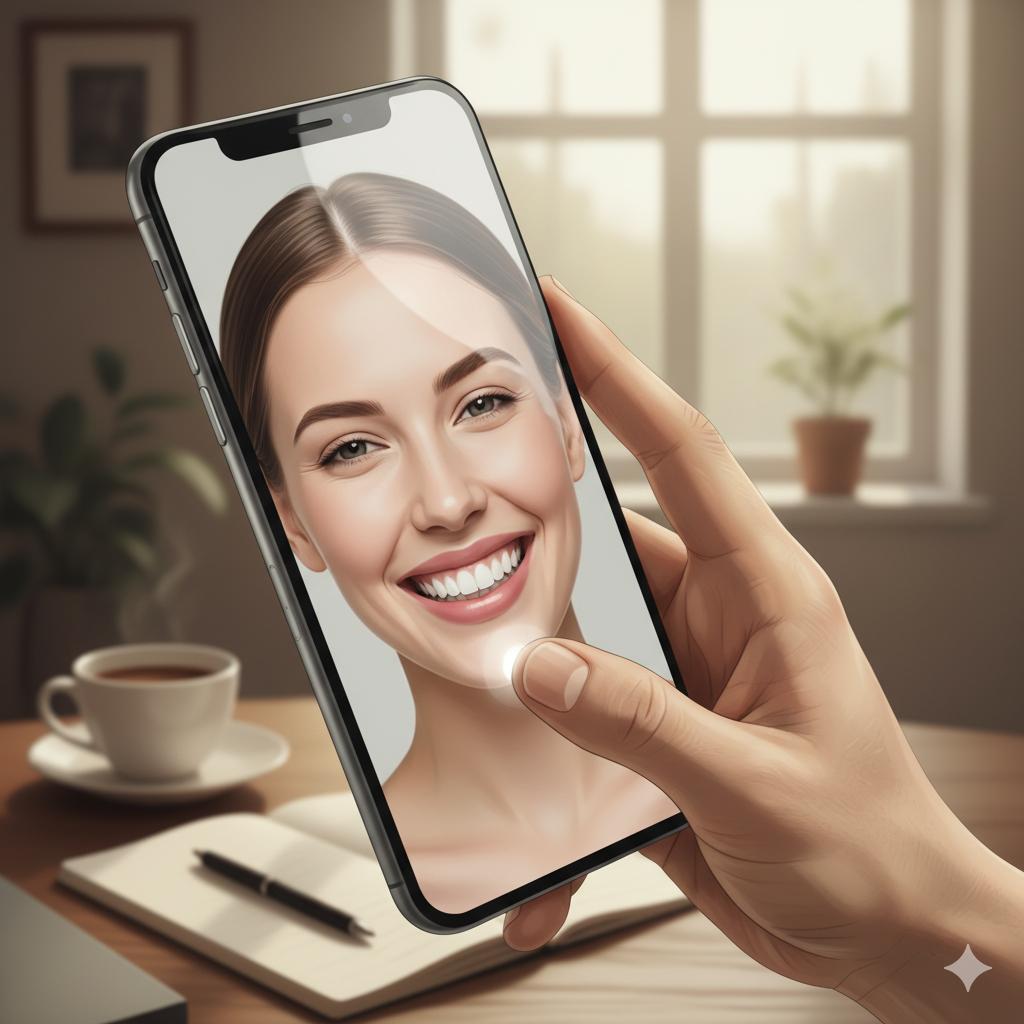
7. User-Generated Content: Allowing Your Customers to Tell Your Story
There is no marketing more sincere than the kind you don't produce yourself. User-Generated Content (UGC)—images, videos, reviews, and testimonials from your genuine customers—is the foundation of new trust-building.
Why is it so powerful? Firstly, it delivers irrefutable social proof. A potential buyer relies on the opinion of a hundred other buyers much more than on your optimized ad copy. UGC is the online version of word-of-mouth endorsement, multiplied by millions.
Second, it puts your product in the real world. Instead of a studio-perfect photograph, you're looking at your sneakers on real city streets, your skincare in a messy bathroom with terrible lighting, and your meal kit on a busy family dinner table. This puts your product in context in a way that makes sense to the customer, addressing the customer's unstated question: "Will this really work for someone like me?"
Brands like Glossier and GoPro have built their entire marketing ecosystems around UGC. They don't just feature customer content; they actively celebrate it, turning their customers into their most credible brand ambassadors.
8. Behind the Scenes: The Magic of Showing the Messy Process
We're captivated by how things are made. There's a reason "how it's made" videos and "blooper reels" are so perennially popular. They satisfy a deep curiosity and demystify the creation process.
Pulling back the curtain builds immense trust and connection. This can take many forms:
Introducing Your Team: A short video of your developer talking about a coding challenge, or your designer explaining their inspiration, makes your brand feel human.
Demonstrating the Iteration: Demonstrate early, ugly versions. Discuss features that did not make it. This illustrates a dedication to improvement and demonstrates that your final, shiny product was not born perfect—it was worked for.
A Day in the Life: Plain Instagram Stories of the office, the coffee runs, the whiteboard collaboration sessions, and even the cluttered desks. This turns your company from a logo to a bunch of people your audience can cheer for.
This "messy process" content doesn't lessen your quality; it increases your credibility. It shows you have nothing to hide.

9. Authenticity in Action: Celebrating Imperfections in Your Product
What if your product itself is "imperfect"? The most true brands embrace this, making potential flaws their unique selling points.
Take the Misfits Market food brand, for example, which distributes "ugly" produce that would otherwise go to waste along the supply chain. They don't mask the unusual shapes and sizes; they champion them. Their whole brand is founded on the authenticity of imperfection, addressing food waste and value at the same time.
This philosophy can be used in any market. A small furniture business may emphasize the one-of-a-kind wood grain difference in every custom-built table, pointing out that no two are identical. A software business may claim proudly that its platform is "powerfully simple," celebrating the fact that it lacks the thousands of specialized features of a bloated alternative. By simply admitting what your product is not, you powerfully affirm what it is.
10. The Leader's Voice: Why Your CEO Shouldn't Be a Corporate Robot
The era of the remote, unreachable CEO with a voice of only carefully crafted press releases is coming to a close. Now, the personal voice of a leader can be an organization's greatest strength.
When a founder or CEO opens up about their experience, their fears, what they learned, and themselves on sites like LinkedIn or Twitter, it provides a direct connection to the audience. Think of Satya Nadella at Microsoft, whose empathetic and humble communications style is credited with reshaping the company's culture and public perception. Or Elon Musk, for all his controversies, whose direct and often unfiltered communications make Tesla and SpaceX feel driven by a real person, not a PR committee.
This doesn't mean every leader needs to be a chaotic poster. It means communicating with genuine passion, humility, and a clear point of view. A relatable leader makes the entire brand feel more relatable.

11. Navigating the Pitfalls: Authenticity vs. Oversharing
As with any powerful tool, authenticity must be wielded with care. There is a critical line between being genuine and oversharing, and crossing it can damage your brand.
So where is the line?
Authenticity is being human. Oversharing is being unprofessional. It's wonderful to discuss the difficulties of product launch. It's not useful to vent publicly about an argument with a particular employee.
Authenticity is vulnerability for purpose. Oversharing is confession for the sake of confession. The intent of sharing a struggle should be to connect, to teach, or to be open—rather than trauma-dumping on your audience.
Authenticity is on-brand. Oversharing is a non-sequitur. A financial services company being authentic would talk about its own path to fiscal wellness. Mentioning the CEO's favorite punk group would be off-brand unless it's strategically connected to a company value of "non-conformity."
Rule of thumb: Is this share relevant, respectful, and valuable to my audience? If only you, then no.
12. Conclusion: Creating a Brand People Believe In, Not Just One They Buy From
Our exploration of the terrain of authentic marketing brings us to one inescapable conclusion: this is no short-term strategy or marketing fad that will eventually pass. This is a paradigm change in how businesses relate to consumers.
Customers today do not merely want to buy; they want to connect. They are spending their money with brands that believe in the same things they do and see their common humanity. By being imperfect, transparent, and vulnerable, you no longer sell to them, but you build with them.
The end objective is no longer to be the biggest, the shiniest, or the most flawless brand in the room. It is to be the most trusted. Because when trust is your foundation, loyalty and growth will naturally follow. In a filtered, polished world, be the brand that dares to be real.

 Indian Online Marketing Team
Aug 10, 2025
 Indian Online Marketing Team
Aug 24, 2023
 Indian Online Marketing Team
Aug 24, 2023
 Indian Online Marketing Team
Aug 24, 2023
 Indian Online Marketing Team
Aug 24, 2023