The Science of Trust: How to Make Customers Believe Your Brand Instantly
- Introduction: Why Trust Is the Currency of Modern Business
Today's hyper-connected world means that trust isn't merely "key" — it's the invisible currency that drives every transaction, partnership, and referral. The moment a customer clicks on your ad, enters your store, or joins your email list, they're quietly wondering: "Can I trust you? If the response is yes, they pay a premium, refer you to friends, and overlook minor errors. If the response is no, they dump you immediately and do not come back. That is why worldwide surveys conducted by Edelman, Nielsen, and PwC indicate that trust always outranks price, convenience, and even product quality as the number one driver of loyalty.".
Trust-building is now not a "soft" marketing notion; it's a hard, quantifiable competitive edge that can double your customer lifetime value.
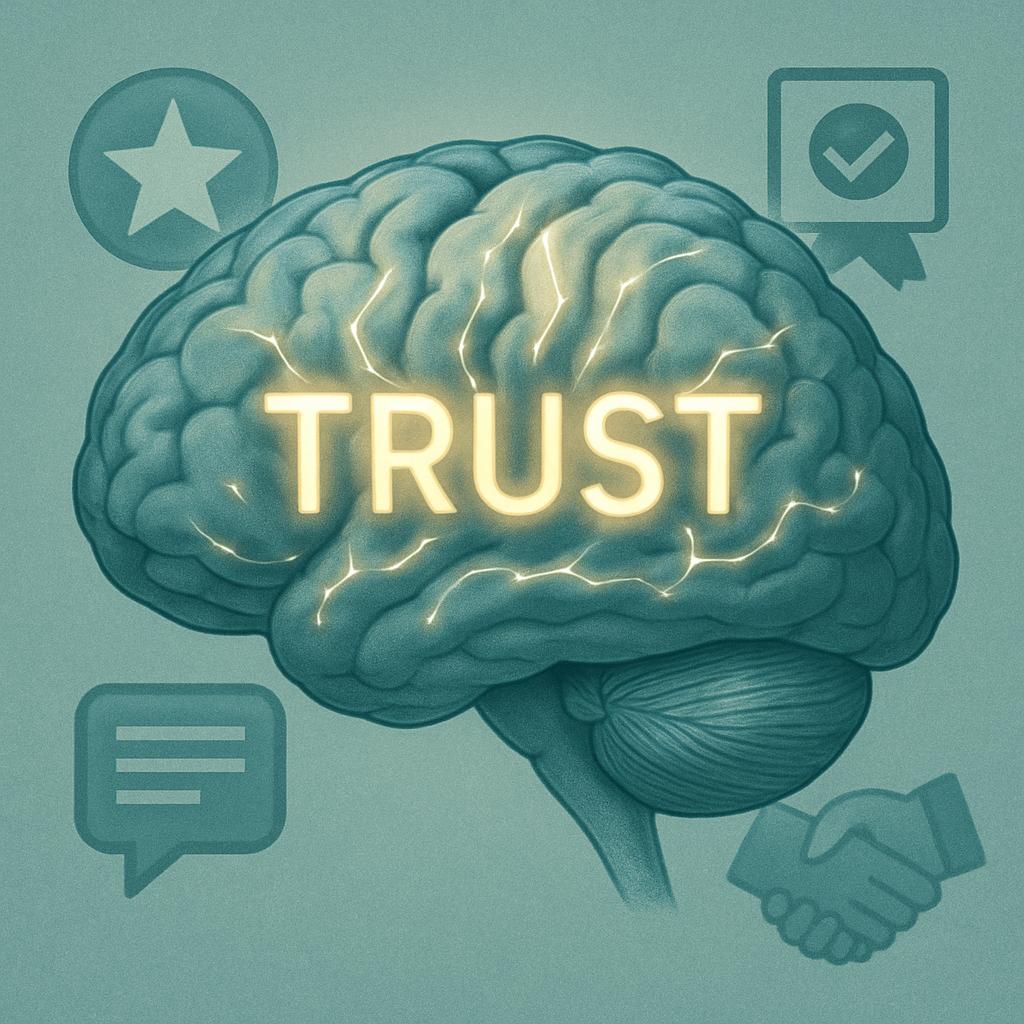
- The Psychology of Trust: How the Human Brain Evaluates Credibility How we determine whom to trust lies deep within millions of years of evolutionary history. Our brains check every interaction for tiny signs of safety or threat, as did our forebears when determining if a stranger was friend or enemy. Neuroscientists have found that when we perceive credibility, our brain sends out oxytocin, the hormone of bonding that lowers our defenses and makes us more open. Inconsistent signals, on the other hand, activate our amygdala, the fear center, and produce skepticism and defensiveness. This is the reason why inconsistent branding, hyperbole, or tone of voice inconsistency do not feel right to consumers even if they can't put their finger on it.
Companies that do get this psychology can create messages, images, and experiences that explicitly engage the brain's "trust" circuitry — plain language, social proof, and genuine imagery are not marketing strategies; they are biological trust signals.
- First Impressions Matter: Creating Instant Credibility Online and Offline It takes a user roughly 50 milliseconds — less than a blink — to make a judgment about a site or a storefront. That initial impression frames the mental context for everything else. Online, this translates to your page load speed, mobile-friendliness, typography, color scheme, and even the gap between your navigation bar immediately communicating whether you're skilled or sloppy. Offline, it's the hygiene of your packaging, the tone used by your salespeople, or the aroma in your shop. Every detail is a silent message.
Brands that fixate on these micro-moments build a reputation for professionalism that says to customers, "We notice every detail, so you can trust us with your hard-earned money." Small gestures — optimizing images for quicker loading, getting your employees to address customers by name, maintaining consistency between advertisements and landing pages — build on each other to deliver an immediate and enduring feeling of credibility.
- Honesty and Transparency: The Irreducible Basis of Trust In a world of viral captures and open reviews, one untrue statement can shatter a lifetime of brand value. Transparency is more than requisite legal disclaimers; it's an anticipatory measure to demonstrate to customers that you have nothing to conceal. This could include uploading "making of" videos of how your product is created, publicly posting your supply-chain practices, releasing actual delivery times instead of "instant shipping" claims, or making public apologies when you mess up.
When brands do this with consistency, they turn fear on its head: rather than customers wondering "What aren't they telling me?
" they begin thinking "If they're this truthful about delays or errors, I can likely believe everything else they claim." Truthfulness makes even unpleasant facts into credibility assets and, ironically, inspires more sales because customers feel secure.
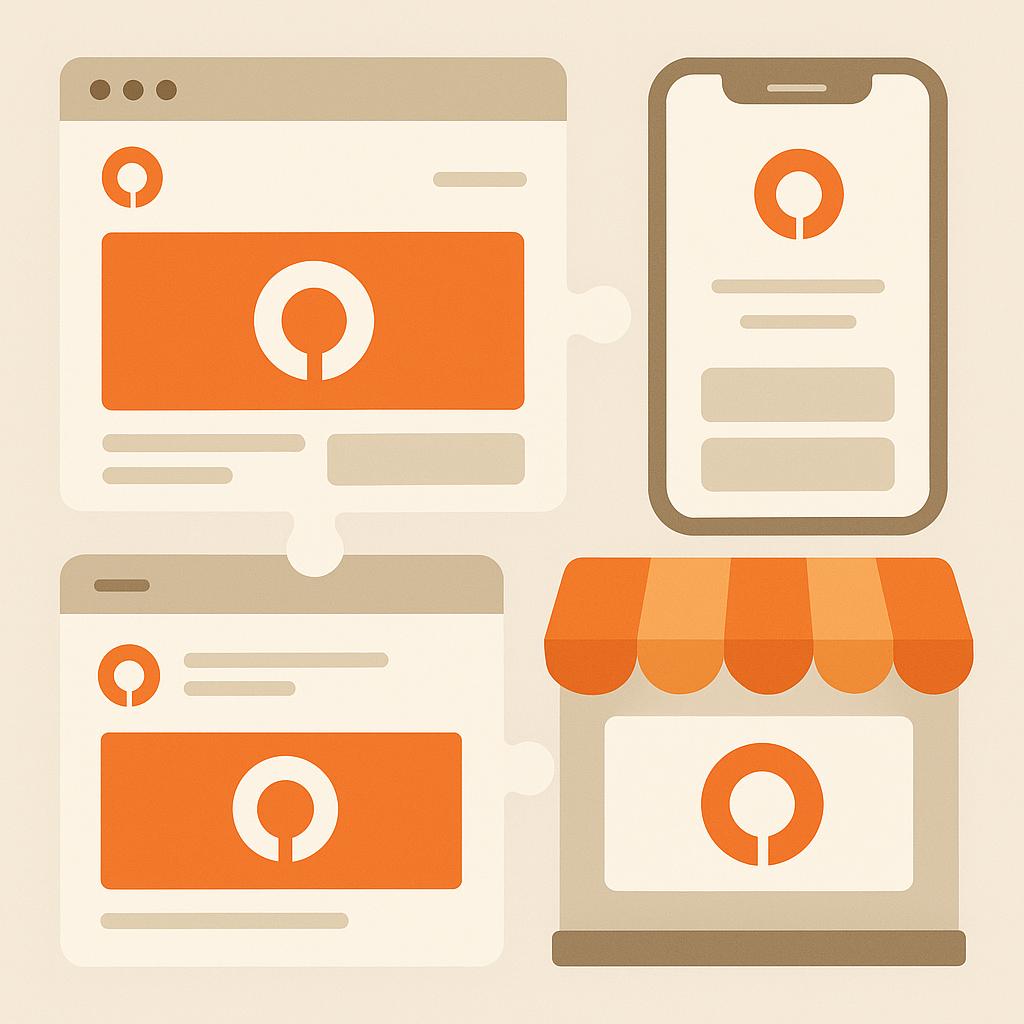
- Consistency Across All Touchpoints: Why Uniformity Works Uniformity enhances reliability. People feel most secure when the experience they receive today is consistent with the one they experienced yesterday.". In branding, that implies all touchpoints — from Insta ads to email newsletters, packaging, receipts, and customer service scripts — must have the feel of belonging to the same personality. When tone, looks, and quality are harmonized, customers unknowingly unwind; they know what they're getting. When there's inconsistency — a glitzy commercial followed by a clumsy site, or a high-end package coming in a bargain-basement envelope — the mind raises the alarm that something could be amiss, and trust is lost. Take Apple: the same design language, service philosophy, and consideration for detail permeates its keynote presentations to its store design to its unpacking ritual.
That's why it can charge premium prices with little protest.
Consistency isn't something that looks good; it's the functional underpinnings of perceived reliability.
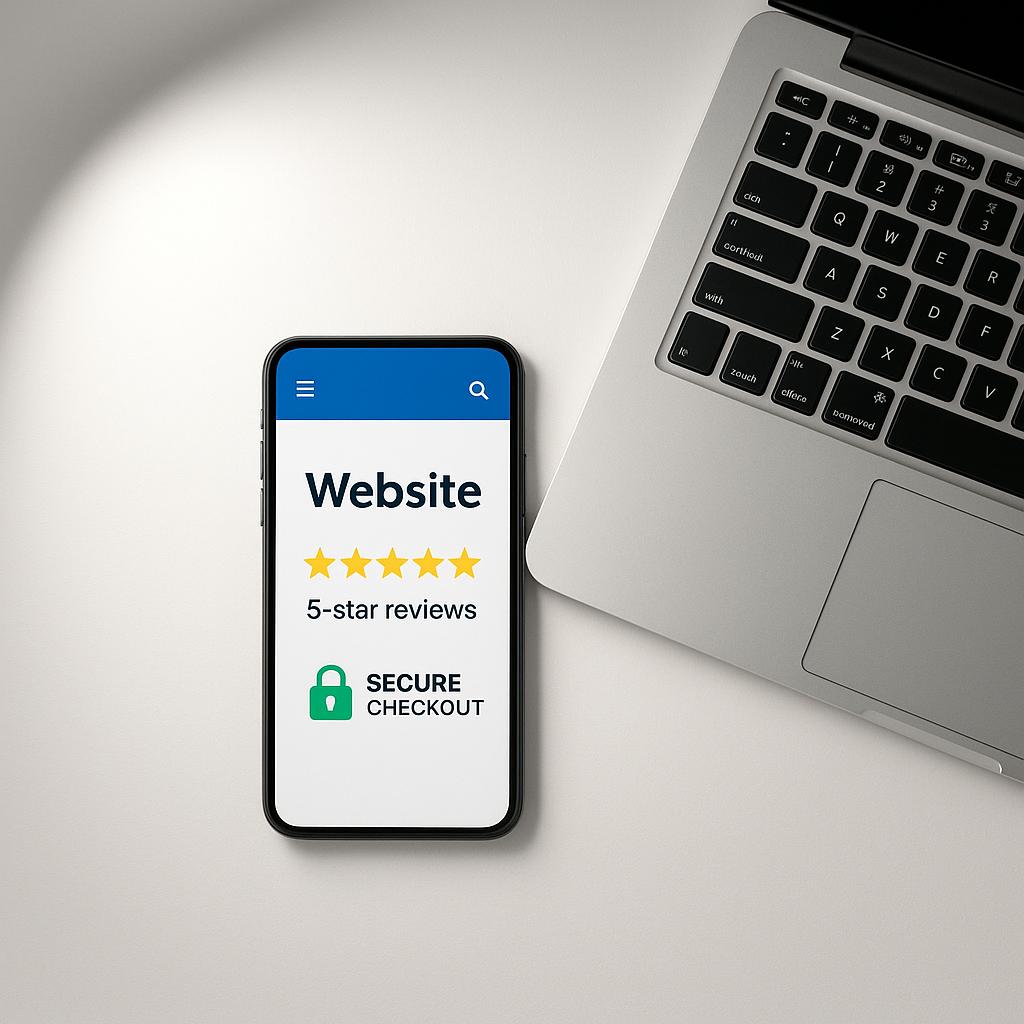
- Social Proof in Action: Reviews, Testimonials, and Case Studies That Convert Humans are social creatures. Well before advertising ever existed, our forbears used the tribe's opinions to determine whether something was safe to eat or which way to go. Today's consumers do the same with reviews, ratings, testimonials, and influencer endorsements. That is why Google's five-star rating or having thousands of supporters on Instagram will sway people much more than self-promotion by a brand. But it relies upon sincerity. Unfiltered feedback with real photos and names, in-depth case studies demonstrating measurable outcomes, content shared by customers themselves as reposted by users, and transparent figures such as "Trusted by 50,000+ businesses" all serve as mental shortcuts that reduce the perceived risk associated with experimenting with an unknown brand.
On the other hand, false reviews or imprecise statements backfire brilliantly.
Done properly, social proof not only persuades — it offers a sense of community and shared experience that makes trust even stronger.

- Authority Signals: Certifications, Media Mentions, and Partnerships That Immediately Boost Trust Authority is the shortcut to trust. When customers notice that you've got someone they already trust — a government agency, a respected reporter, a standards organization, or a marquee customer — endorsing you, their minds borrow that trust and use it as a proxy for your own trustworthiness. Which is why you'll find security badges on checkout screens, "As featured in Forbes" badges on websites, and "Trusted by 100+ Fortune 500 companies" banners on SaaS landing pages. These aren't mere toppings; they are potent mental shortcuts.
To have their biggest impact, authority cues must be specific (e.g., "ISO 27001 Certified Data Security" rather than "We are serious about security"), up to date (new logos, recent partners), and contextual (presenting a fintech award on your payments app, a HIPAA compliance badge on your telehealth platform).
Every detail you reveal communicates to the customer: "We've been scrutinized, we're qualified, and you're in good hands with us."
- Humanizing Your Brand: The Power of Storytelling and Authentic Connection People trust people, not faceless corporations. You humanize your brand by making it relatable, accessible, and memorable. This is much deeper than putting up a staff photo on LinkedIn. It's about sharing origin stories ("We started in a garage because we believed small businesses deserved better software"), having your people's faces appear on behind-the-scenes videos, having your CEO become a real voice on social media, and sharing values that people care about (sustainability, diversity, customer obsession).
When brands talk with empathy and vulnerability — revealing actual employees overcoming challenges, acknowledging mistakes, and celebrating customer wins — they trigger empathy among the audience.
That empathy collapses the psychological distance and turns the customer's inner script from "This company wants my money" to "These are people like me who want to assist." That emotional connection renders the bridge to trust so much simpler and more sustainable.
- Providing Exceptional Customer Experience: Translating Transactions Into Moments of Trust A brand isn't what you claim it is — it's what your customers are experiencing at every touchpoint. Each support ticket, delivery, onboarding email, or billing interaction is a chance to strengthen or break trust. Exceptional customer experience isn't simply about fix rates; it's about anticipating need, friction removal, and surprising people with kindness. Consider Amazon's one-click returns, Zappos' mythical support calls, or Apple's Genius Bar appointments — each is a considered, trust-designed experience.
Even tiny touchpoints such as a thank-you letter in a package, an anticipatory notification of a shipping delay, or a customized tutorial video can form a positive trust memory.
Cumulatively, over time, these micro-moments snowball into a powerful halo effect: customers don't merely trust your product; they trust your whole organisation.
- Crisis Handling and Reputation Management: Building Trust When Things Go Wrong Trust is tested not when things go smoothly but when they go wrong. How a brand responds to a crisis — a product recall, a data breach, a PR backlash — can either destroy years of goodwill or multiply it. The key is speed, transparency, and empathy. Rapid public acknowledgment, definite action steps, and visible leadership presence make the customer believe you are in charge and concerned about their health. For instance, Johnson & Johnson's response to the Tylenol tampering crisis is still a case study in MBA school because the company put public safety ahead of short-term gains.
In the internet age, that also entails actively keeping track of social media, review sites, and forums to correct misinformation before it gets out of control.
A company that owns up to its errors and talks openly about solutions accumulates a type of "trust capital" that competitors without a crisis map can only be jealous of.
- Measuring Trust: Key Metrics and Feedback Loops to Gauge Credibility What gets measured gets managed. Trust may be intangible, but there are definite signals and metrics you can monitor to measure and enhance it. Some of the key metrics here are Net Promoter Score (NPS), retention rate, complaint resolution time, star ratings, proportion of positive vs. negative mentions online, repeat purchase rates, volume of referrals, and even trust-specific surveys like ("How confident are you that our company will deliver on its promises?"). By integrating these metrics into your dashboards, you make trust a performance metric that executives and teams can own.
More sophisticated businesses also conduct A/B tests on trust signals — such as testing various guarantee copy or refund policies to determine which maximizes conversions.
This data-driven process brings trust from an amorphous aspiration to a quantifiable asset.
- Conclusion: Making Trust a Sustained Competitive Advantage Trust isn't a campaign launch; it's a strategic moat. In densely populated markets with easy-to-copy products and prices, trust is the intangible that competitors can't mimic overnight. Companies that invest in open communication, consistent experiences, authority cues, and genuine relationships not only buy customers; they build advocates who champion them, pardon errors, and drive word-of-mouth expansion. As we progress further into the age of AI, deepfakes, and data overload, the brands that are able to convey actual trustworthiness will cut through more intensely than ever. The question isn't "Can we afford to build trust?" but rather "Can we afford not to?" Because in 2025 and beyond, trust will be the real engine for sustainable growth.


 Indian Online Marketing Team


