
Why Brands Are Spending More on Native Ads in 2025
Why Brands Are Spending More on Native Ads in 2025
The 2025 digital advertising environment is changing quicker than ever. Consumers are better informed, more particular, and much choosier about the type of content they embrace. Amidst these changes, there is one ad strategy that has proved to be an unmistakable winner: Native Advertising.
In contrast to obnoxious pop-ups or glitzy banner ads, native ads seamlessly integrate into the platform's environment and take on the feel of an organic extension of the user experience. That subtlety — combined with their success metrics — is the reason why increasingly, brands are shifting significant portions of their spend into native formats.
Let's unpack the first six major reasons why native ads have taken on such sweeping dominance in 2025.

1. Definition of Native Ads
Let's get clear on the "what" before we talk about the "why." Native advertising means paying for ads that are crafted to look, feel, and function just like the media format where they appear.
Consider an Instagram sponsored ad that is essentially indistinguishable from any other post in your feed — except it's advertising a product. Or a LinkedIn article that reads like sound industry expertise but subtly contains a brand's solution.
The central idea is non-disruption. Instead of standing out like a sore thumb (the manner of banner ads), native ads are woven into the content stream. They are less intrusive and more a part of the narrative the platform is sharing.
Primary characteristics of native ads in 2025:
This "camouflage" method does not deceive the consumer; it rather honors the manner in which they are consuming content, making the ad organically part of their way of browsing.
2. Growing Consumer Ad Fatigue
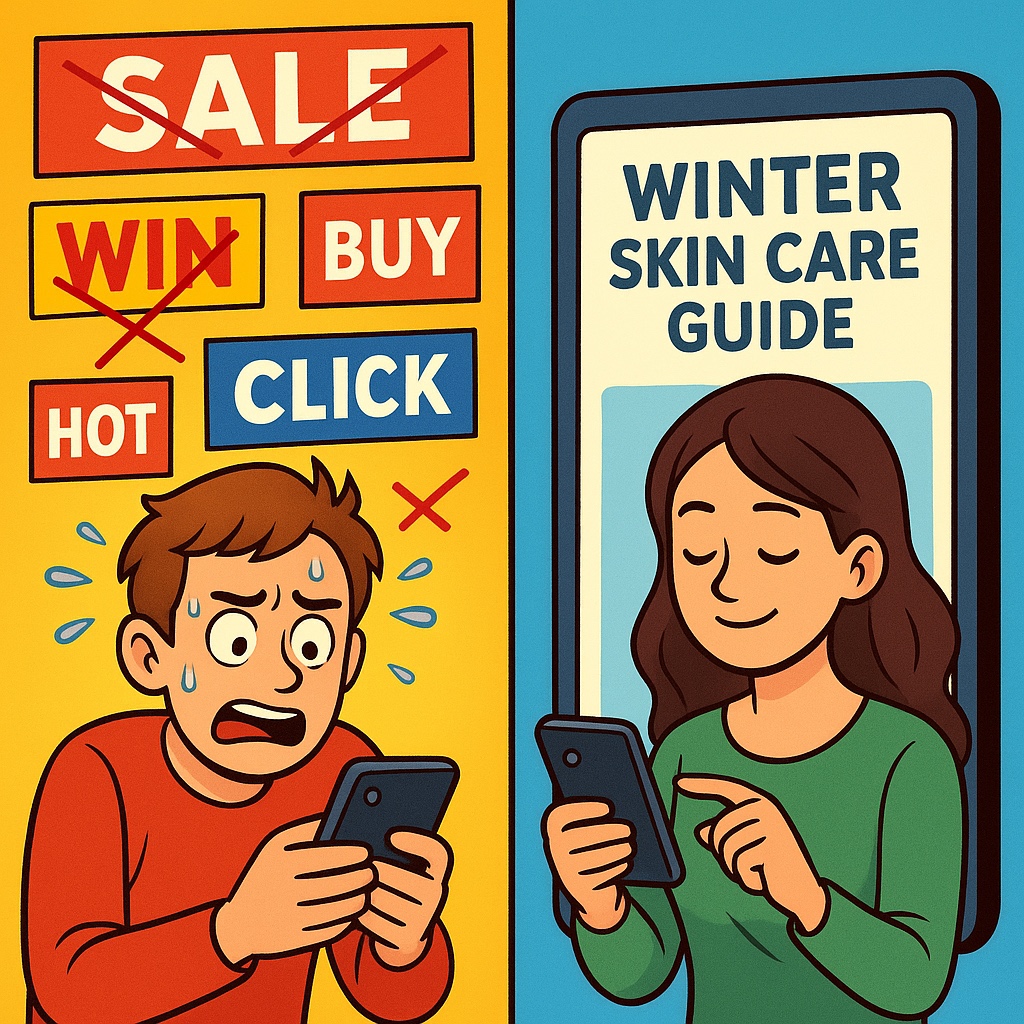
We reside in a hyper-saturated advertising climate. As of the latest numbers, the average user of the internet is exposed to more than 6,000 ads daily in 2025. That is nearly twice as many as just five years ago.
The outcome? Ad fatigue. Humans have gotten very skilled at ignoring — or flat-out blocking — anything that resembles an ad. Banner blindness is not just a myth, and classic display ads are having trouble competing for attention.
Native ads address this by being less obtrusive and more relevant. Rather than shouting, "Buy now!" they ask you to join a conversation, a story, or a bit of truly useful content.
For instance:
These ads don’t disrupt the user experience — they enhance it. That’s why people are more willing to engage with them, even if they’re subconsciously aware they’re sponsored.

3. Higher Engagement Rates
When your ad doesn't even read like an ad, then people do engage with it. This is where native ads have consistently beaten out older formats.
Up-to-date research in 2025 indicates:
Why does this happen? Because native ads tap into human curiosity. They feel like a natural part of the browsing flow, encouraging clicks, swipes, and reads without setting off the mental “I’m being sold to” alarm.
Example:
A SaaS business might publish a native ad as a LinkedIn thought-leadership article from its CEO, talking about the future of AI in their business. Folks share it, comment on it, and interact with it — while the brand quietly develops credibility and leads.
4. Enhanced Trust and Credibility
Trust is money in 2025. Buyers are skeptical, fact-checking occurs at light speed, and brand loyalty is more difficult to achieve.
Native ads naturally leach off of the trust of the platform that they're on. When a branded item of content is posted in a trusted publication or social feed, it inherits part of that trust.
But it's not only about association — it's about relevance. Native ads frequently offer helpful, high-quality content that makes the brand an expert, not a pushy salesman.
Example:
A wellness blog article on "The Best Plant-Based Snacks for Busy Professionals" is sponsored by a health food brand.
The article is informative, backed by research, and really useful. The reader learns something — and the brand receives their trust.
By supporting true content experiences, native ads assist brands in building long-term connections as opposed to pursuing immediate clicks.
5. Ad Blocker Resistance
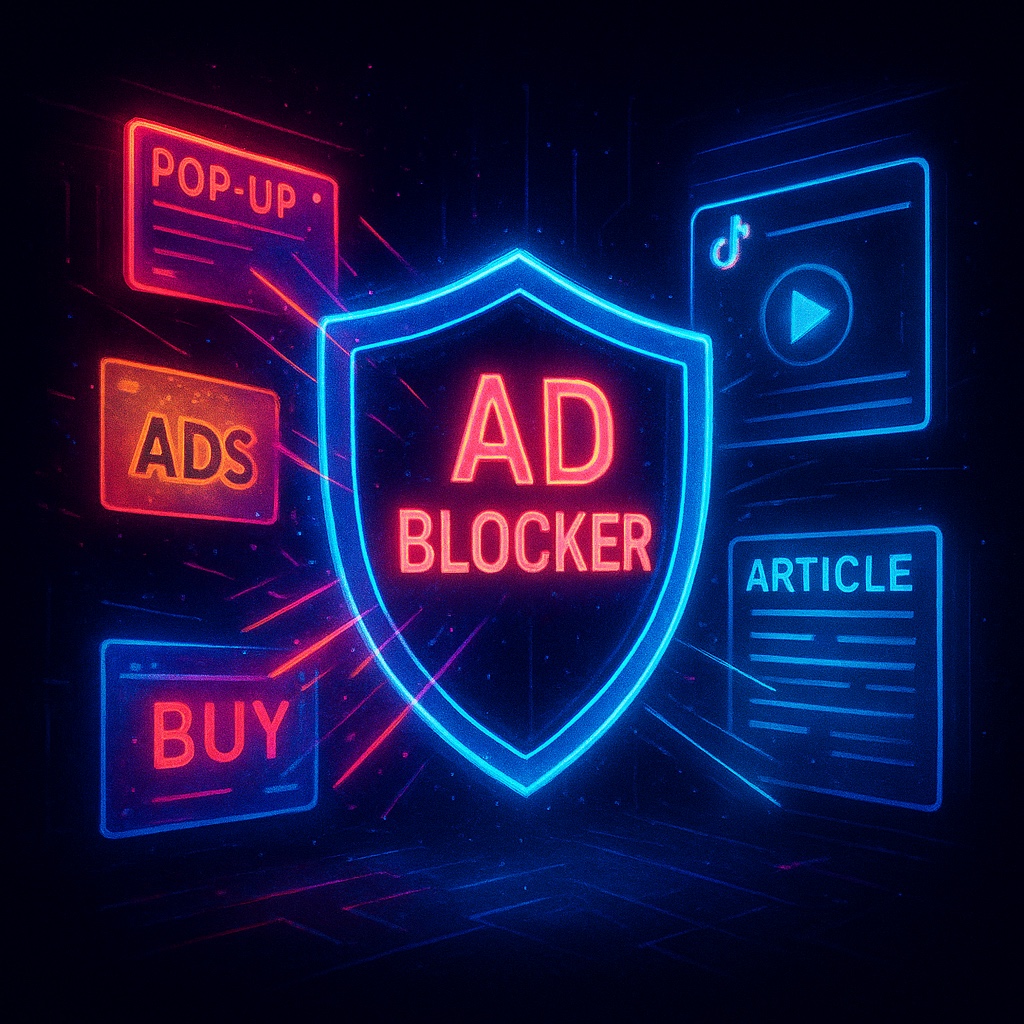
Ad blockers are a marketer's worst nightmare in 2025. Almost 42% of web users currently employ some type of ad-blocking technology on desktop, and mobile usage is hot on its heels.
Classic display ads and pop-ups are the first to fall to these blockers. Native ads are created as content, not disruptions — so they're much less likely to be blocked.
The upshot:
As a business, this resilience is a significant competitive advantage, allowing for improved ad spend effectiveness and maximizing return on investment.

6. Improved Mobile Experience
Mobile is no longer simply "significant" — it's default. By 2025, more than 78% of worldwide internet traffic originates from mobile devices.
Native ads are designed for this space. They're responsive, load effortlessly, and read like native app or website content. Whether it's a TikTok video ad, an Instagram story ad, or a sponsored article in a mobile news feed, native ads don't break the mobile flow.
Seamless mobile matters because:
For instance:
A fashion brand can publish native story ads on Instagram, embedding tappable lookbooks within the user's feed. It's like content, not an interruption — and that's why it succeeds.
7. Data-Driven Targeting and Personalization
In 2025, “spray and pray” marketing is dead. Brands are no longer just pushing generic ads to a wide audience and hoping for the best. With advanced AI, machine learning, and deep analytics, native ads can now be hyper-personalized.
Modern platforms know:
Native ads use this data to adapt their message, visuals, and even tone for each viewer. Imagine opening your favorite news app and seeing an ad for a coffee brand — but it features your city’s skyline in the background, highlights your local café branch, and references the chilly weather you’re currently experiencing.
This personal touch does three critical things:
Based on recent 2025 case studies, personalized native ads can raise purchase intent more than 60% above generic ones. In brief — in a content-overload world, personalization is no luxury; it's survival.
8. Content Marketing Integration
Native ads in 2025 are no longer "just ads" — they're tactical content pieces.
Instead of promoting sales content, brands leverage native ads to:
As such, they become the natural fit for a brand's content marketing strategy. If a brand already invests in blogs, videos, and infographics, native ads are the best means to scale that content with targeted audiences.
Example:
A fintech company creates a 5-minute explain-a-video on "How to Save for Your First Home in 2025."
They publish it as a native ad in YouTube playlists relevant to your interests, finance blogs, and Instagram reels.
Rather than the jarring experience of seeing an ad, it is like receiving valuable personal finance tips — and establishing trust simultaneously.
It changes how we do advertising from being transactional ("buy this now") to relational ("here's something that'll be valuable to you; think of us when you need this").
9. Platform Partnerships and Innovation
In 2025, leading digital platforms are doubling down on native ad innovation. Social media, streaming, news sites, and even gaming sites are launching new, interactive ad formats that aim to be immersive.
Some standout examples:
Publishers are also entering into exclusive partnerships with brands to produce co-branded content that feels and looks like high-end editorial content. This provides brands with access to the publisher's loyal reader base and credibility.
From a marketing perspective, these alliances open up new opportunities for storytelling — and in a competitive online universe, that storytelling advantage is worth the cost.
10. Cost-Effectiveness and ROI
Native ads frequently deliver a larger return on ad spend (ROAS) compared to traditional formats, which is why many brands are so pleasantly surprised when they crunch the numbers:
For example:
An agency may spend ₹5 lakh on native ads within popular travel blogs and receive 40% more leads than an equivalent spend on generic Google display banners.
It's not merely about reduced prices — it's about quality. Native ad clicks reflect users who are actually interested in the subject matter, so higher lead quality and improved long-term value.
Briefly: native ads pay for themselves quicker, which is why brands are ramping up their budgets for them year by year.
11. Consumer Preference for Non-Intrusive Ads
If 2024 was the year of "skip ad," then 2025 is the year of "scroll past something annoying." Consumers have absolutely no tolerance for intrusive or irrelevant ads.
Native ads succeed because they don't come across as forced. They honor the stream of content usage, showing up in locations where the audience is already invested and interested.
That's exactly in keeping with contemporary digital behavior:
The psychology is straightforward: when you award people value without jamming it down their throats, they're much more likely to react positively. That's why native ads are the "default acceptable ad" format for consumers in 2025.
12. Regulatory Compliance and Transparency
Native ads have been criticized in the past for obscuring editorial content from advertising. In 2025, regulations are stricter, and platforms are more transparent.
Today's native ads are obviously marked as "Sponsored" or "Promoted," but since they do deliver real value, audiences don't object. On the contrary, honesty about sponsorship can build more trust — provided that the contents of the ad continue to meet the expectations of the audience regarding quality and relevance.
Compliance and creativity can go hand in hand, brands have discovered:
In an era when trust is delicate, being honest about your advertising is a market advantage — and native ads are setting the pace for demonstrating how to do it correctly.
Final Thoughts
Native advertising in 2025 isn't a fad — it's a new paradigm. Brands aren't in pursuit of clicks anymore; they're creating long-term connections with relevant, integrated content experiences.
With increased engagement and personalization, improved ROI and consumer trust, the proof is too overwhelming to ignore: native ads are the future of digital marketing.
Those brands that invest today — and figure out how to marry value with visibility — will reign over the economy of attention in the coming years.

 Indian Online Marketing Team
Aug 10, 2025
 Indian Online Marketing Team
Aug 24, 2023
 Indian Online Marketing Team
Aug 24, 2023
 Indian Online Marketing Team
Aug 24, 2023
 Indian Online Marketing Team
Aug 24, 2023